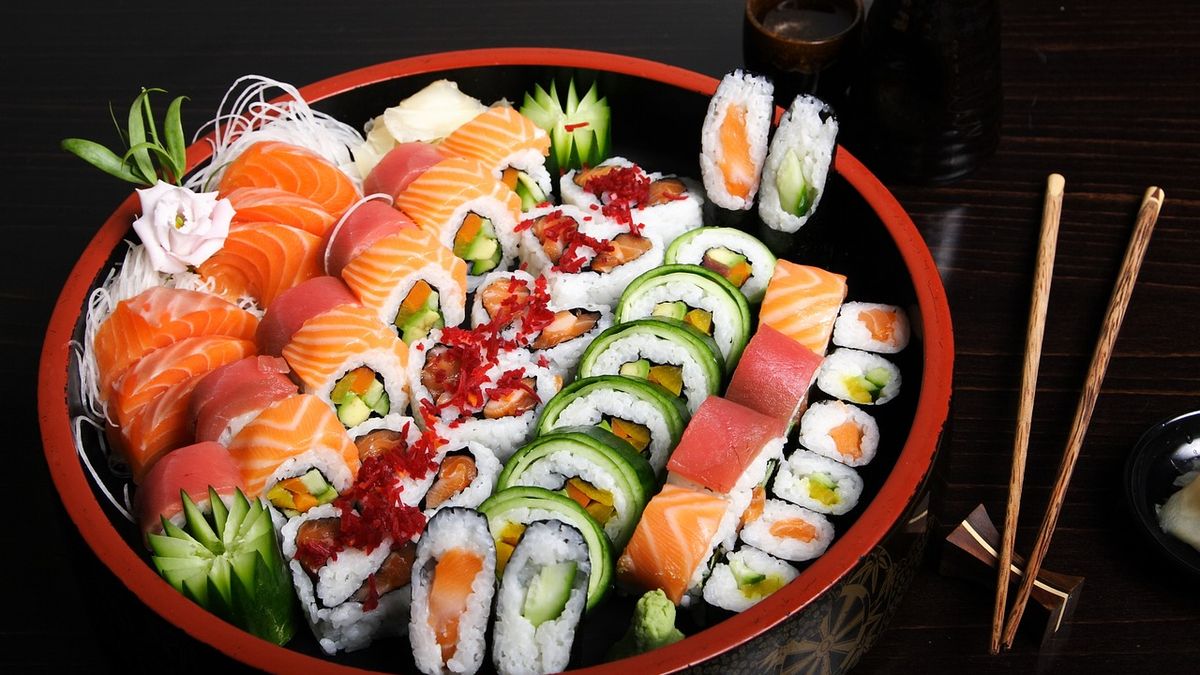
KABARMEGAPOLITAN.com – International Sushi Day is June 18, how did this typical Japanese food become popular? Here’s the history. In the last two decades, the traditional Japanese food known as sushi has become something of a sensation.
Often considered just raw fish and despised by many, the truth behind what sushi is is more complex, and it can be a delicious treat for those so inclined.
International Sushi Day celebrates this potentially delicious food and seeks to raise awareness about the truth and fiction that surrounds it.
Also Read: History and Interesting Facts about Sushi from Japan
Tracing the origins of sushi takes us on an interesting journey, taking us back to Southeast Asia, with its methods of storing and preserving fish for later consumption.
Known as Narezushi, the fish is stored wrapped in salted and fermented rice which will remain good for months thanks to the fermentation of the rice.
In the initial stage, the rice is thrown away when it is ready to eat, and only the fish is eaten.
Later, in the development of sushi that would be much more familiar to modern tastes, it was known as namanare, made from a portion of raw fish wrapped in fish and consumed before the taste changed.
Also read: International Sushi Day is June 18, check out the origins of this popular Japanese food
Sushi has gone from a way of preserving fish to a new form of cooking, but it is not the last stage in the food’s evolution.
In the Edo Period, between 1600 and 1800 in Japan, the traditional form of sushi that we know today emerged.
At this point it is unique to Japanese culture and consists of fish and vegetables wrapped in rice, the rice mixed with vinegar.
This form of sushi has regional variations, but the basic idea is still one of the most popular forms of sushi today.***