Bulukumba News – On the broadcast screen, the conversation was going fast, almost without pause. The names of countries are mentioned like pieces on a constantly moving chess board. Off screen, the world is waiting for the conflict to turn. But in the discussions, one thing began to become clear: this was not a war that would be over quickly.
Abraham Samad opens with a premise that feels heavy: negotiations are not working. On the other hand, the warships remained in position. The pressure continues to build, but major decisions are delayed.
International relations observer Aisha Rasyidila Kusuma Somantri answered by reading the conflict map which is broader than what appears on the surface.
Also Read: ‘Enough is Enough!’ Donald Trump Firmly Stops Israeli Attacks on Lebanon
United States pressure strategy and timing calculations
In a podcast entitled Negotiations Fail, IRAN vs AMERICA War Will Explode | #SPEAKUP on the YouTube channel Abraham Samad Speak Up which aired Thursday, April 30 2026, Aisa explained that the United States does not only rely on military strength, but also economic and political pressure.
“The United States is trying to pressure Iran back to the negotiating table while gaining leverage,” he said.
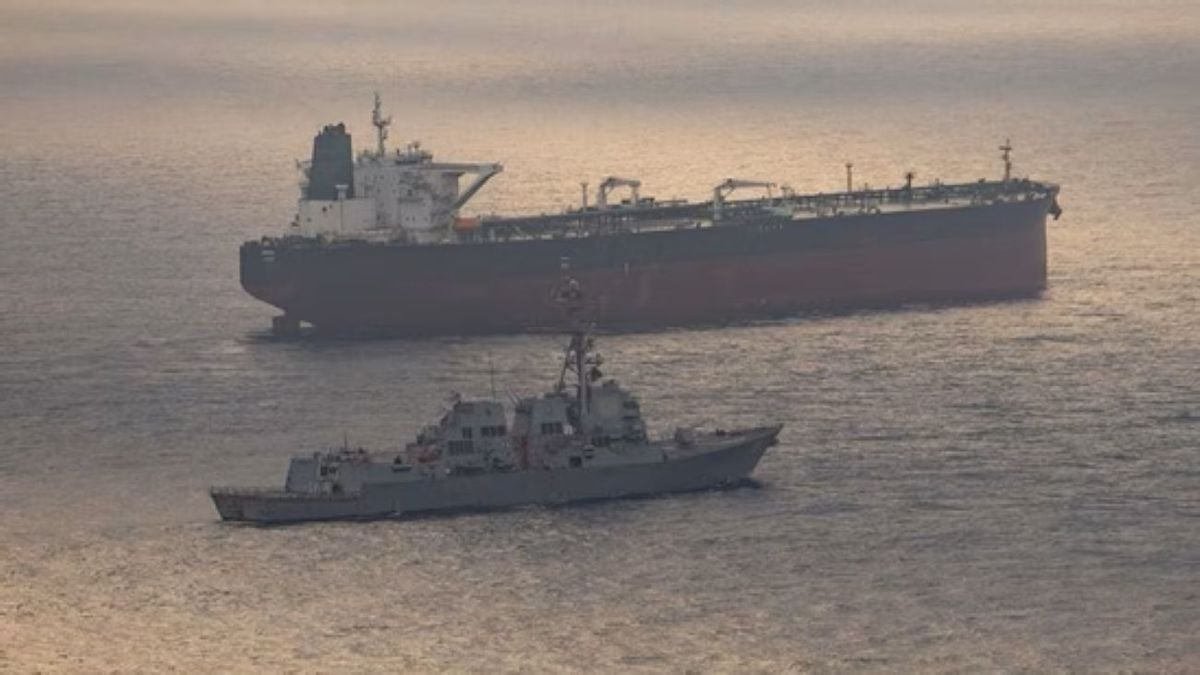
This pressure can be seen from the blockade in strategic areas. The impact is not small. If the blockade runs in full, Iran could lose around 435 million US dollars per day—equivalent to more than IDR 7 trillion. However, according to Aisa, big numbers do not automatically mean victory.
He believes that the United States is actually facing a time limit. “He doesn’t have much time… he will be hampered by the midterm elections,” he said.
This means that this war is not only taking place on the battlefield, but also within America itself. Public, economic and political pressure are as important factors as military power.
Also Read: On the Verge of Armageddon: The Greater Israel Conspiracy and the Business Ambition Behind Gunpowder
Iranian resilience and a different definition of victory
On the other hand, Iran is playing a different game. Not speed, but endurance.
“This Iran is preparing for a long-term war… it has no problem with any long war,” Aisha said.
According to him, Iran has been building a defensive strategy for decades, especially facing sanctions. Energy, food and social security are the main foundations. This makes the external pressure not immediately paralyzing.
Furthermore, the definition of victory is different. “No matter how destroyed Iran is, as long as its regime survives, Iran can claim victory,” he said.
Also Read: Sea Drama Peaks! Iran Shoots and Seizes Ships, World Oil Routes Threatened to Be Paralyzed
This view explains why Iran refuses direct negotiations under pressure. Even on the issue of the Strait of Hormuz, Iran still controls the narrative.
“The Strait of Hormuz was actually never closed, but controlled,” he explained.
Distrust is also a key factor. Aisa touched on old patterns in diplomacy.
“They are the ones who organize the negotiations, but in the end they are also the ones who violate them,” he said, referring to previous experience.
Also read: Behind ‘Nuclear Dust’: Is it true that the US-Iran is close to reaching a historic peace agreement?
The latest data also shows that negotiations have indeed reached an impasse. Iran refuses to continue negotiations because it considers American demands to be unrealistic and the blockade is still ongoing.
At the end of the discussion, there was no definite conclusion about when this war would end. There are actually three possibilities: negotiations are delayed, one of the parties gives in, or the conflict is left hanging.
But one thing feels consistent. This war is not just about weapons, but about who can survive longer—on the battlefield, in the economy, and within their respective countries. And perhaps, that’s where the direction of this conflict is truly determined.***