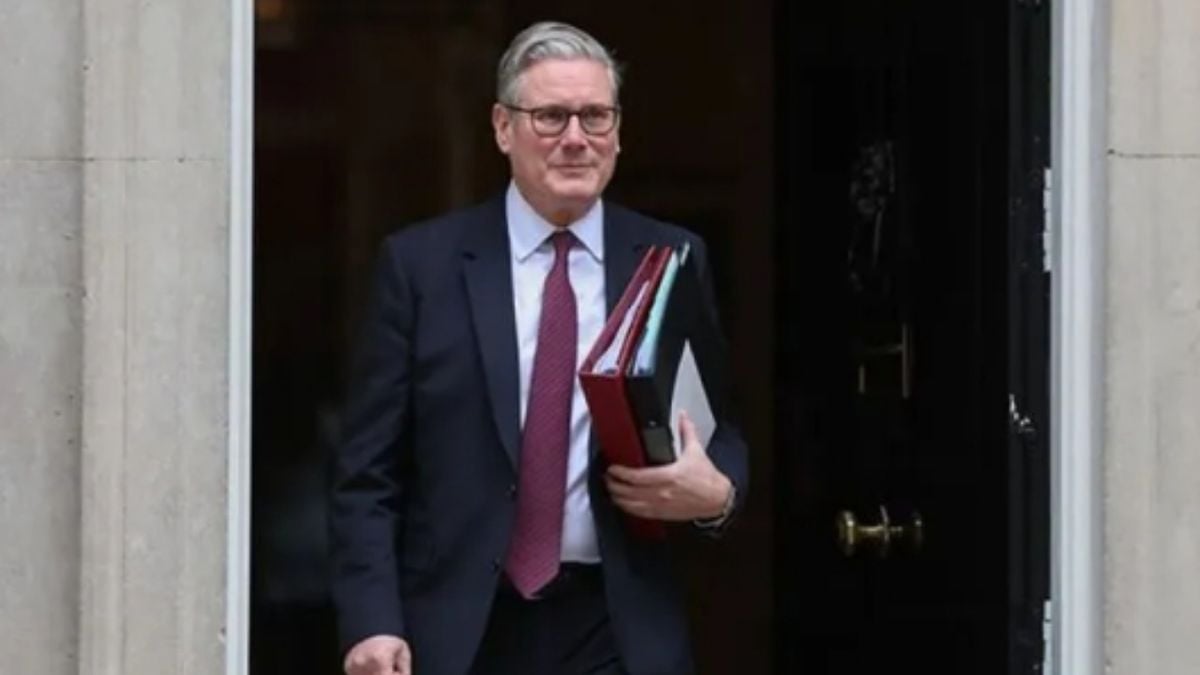
PAK MEDIA, LONDON – British Prime Minister Keir Starmer has surprisingly announced his resignation as leader of the Labor Party. This decision opened a new chapter in the dynamics of British politics and triggered a leadership change process in the party currently in power.
In an emotional speech in front of the Prime Minister’s Office at 10 Downing Street, London, Monday (22/6/2026), Starmer said the decision was taken in the interests of the country.
“Every decision I take has been to put the country I love first. That is why I will step down as leader of the Labor Party,” said Starmer.
Despite stepping down as party leader, Starmer emphasized that he would continue to carry out his duties as prime minister until the Labor Party chose a new leader.
Power Transition Begins
The Labor Party is expected to immediately begin the process of selecting a new leader in the near future to ensure the transition is orderly and does not disrupt the stability of the government.
Based on internal party rules, candidates for leadership must come from active members of parliament, so competition is expected to be limited to figures within the British parliament.
Also read: Willing to be nicknamed ‘Toilet PM’, Anwar shows educational priorities that Prabowo doesn’t do much?
Increased Internal Pressure
Starmer’s resignation comes amid growing internal party pressure and speculation over the direction of his leadership.
A number of political analysts believe that Starmer’s position is starting to weaken after the reappearance of a senior Labor Party figure, Andy Burnham, who is said to have strong influence within the party.
Burnham’s return to parliament after winning the by-election is also seen as opening up opportunities for leadership contestation within the Labor Party.
Short Term of Office and Public Spotlight
Starmer is known to have served as leader of the Labor Party for a relatively short period, less than two years before finally deciding to step down.
During his leadership, he faced various criticisms, ranging from internal policy changes to a decline in the party’s popularity in a number of surveys.
This situation increased political pressure which ultimately led to the decision to resign.
Also read: Dare to touch Lamine Yamal? Israel Amok Barcelona Accuses ‘Terrorists’ Strong and Sharp Reply from Spanish PM
England Faces Rapid Replacement Cycle
With Starmer’s resignation as leader of the Labor Party, Britain is again facing a dynamic political situation.
The country is now on track to have its seventh prime minister in the past decade, a rate of leadership change that has never occurred in modern British history.
This condition raises new questions regarding long-term political stability and the future direction of British government policy, especially in the midst of various ongoing economic and geopolitical challenges.***