Bulukumba News – In a television studio in Tel Aviv, a giant screen displays a map of the Middle East filled with lines and arrows. The presenter paused, looked at the camera, then asked a question that in recent weeks has continued to resonate in ‘Israel’.
What if the United States reaches a deal with Iran?
Outside the studio, the night traffic continued to move. The cafes are still full. But the political conversation has changed. It is no longer about military operations or air strikes, but about diplomatic documents that are being negotiated thousands of kilometers away.
For many Israelis, the outcome of the negotiations will likely determine more than just relations between Washington and Tehran. He can influence the political direction of their own country.
Also read: Donald Trump and Xi Jinping reach a fantastic agreement, the world is anxiously awaiting the fate of Iran and the Strait of Hormuz
For months, negotiations between the United States and Iran have moved between uncertainty, suspicion and unpredictable diplomatic maneuvering.
Now, according to reports The Jewish Chroniclethe opportunity for an agreement to emerge is starting to appear.
In the midst of this dynamic, the debate on ‘Israel’ is getting sharper. Some people believe that the deal risks giving Iran space to maintain its nuclear capabilities. Others see diplomacy as a safer path than continuing open conflict.
One voice gaining attention is Yaakov Amidror, Israel’s former National Security Advisor and senior figure at the Jewish Institute for National Security of America.
According to Amidror, Israel’s main interests are very clear.
“The most important issue is to export all enriched uranium and not allow Iran to continue enriching it under any circumstances,” he said The Jewish Chronicle.
The statement reflects Israel’s long-standing concerns about Iran’s nuclear program, which has for years been central to the country’s national security policy.
Also read: Video of Global Sumud Flotilla Activists Forced to Kneel Makes the World Furious, European Countries Urge Israel to Apologize
Iran negotiations and the changing map of the Middle East
However, Amidror also offers a different perspective from the war narrative that has dominated so far.
After more than two years of conflict on various fronts, he assesses that Israel’s current strategic position is actually stronger than before.
According to him, Hamas has lost most of its capacity. The threat of cross-border invasion from Hezbollah has decreased drastically. The fall of Bashar al-Assad’s regime in Syria also changed the regional balance because Iran no longer had the same logistical channels to supply weapons to Hezbollah in Lebanon.
These changes shape a new reality in the Middle East.
In Amidror’s view, if a comprehensive deal were to completely eliminate its stockpiles of enriched uranium and dismantle Iran’s nuclear facilities, that would be a more favorable outcome for Israel than a prolonged war.
Also read: US and Iran discuss opening the Strait of Hormuz, the world is waiting for the most vulnerable oil route to reopen
Also read: World is tense, Iran promises to force the United States to withdraw and surrender
Netanyahu’s position in the shadow of the Iran deal
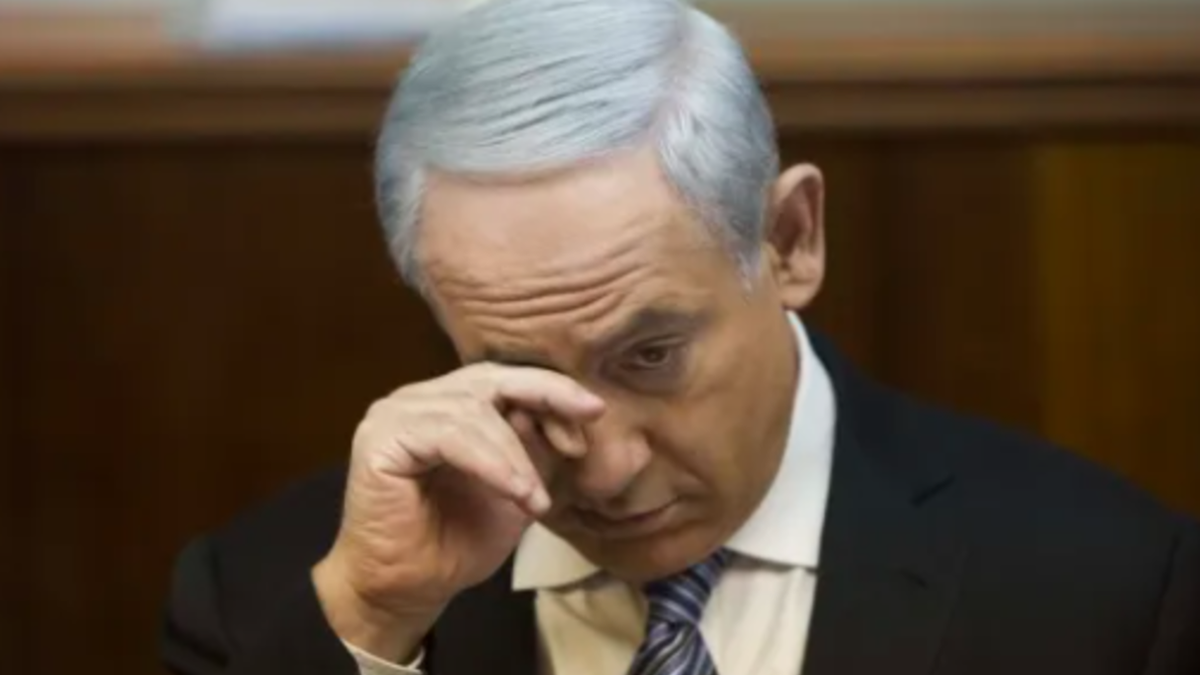
This view presents a political challenge that is not simple for Benjamin Netanyahu.
For decades, Netanyahu has built his political identity as the toughest leader in confronting Iran. The issue of Iran’s nuclear threat became one of the main foundations of his political career.
Therefore, any deal involving Tehran always has a major domestic political dimension.
If negotiations result in real restrictions on Iran’s nuclear program, Netanyahu will face a paradoxical situation. The deal has the potential to improve Israel’s security, but also strengthens the argument that diplomacy can achieve what cannot always be achieved through military pressure.
On the other hand, if the deal is deemed too soft, criticism from the security camp and the opposition could increase ahead of the elections.
On the streets of Jerusalem and Tel Aviv, that question is starting to be heard more and more frequently. It’s not just whether Iran will comply with the deal, but also how the outcome will change Israel’s political landscape.
In the Middle East, agreements are often judged by the number of missiles stopped or territory secured. But there is another measure that is no less important: how an agreement changes the way a nation views its future.
For Israel, Iran’s negotiations are not just about uranium or nuclear facilities. It touches on deeper questions about the country’s security, leadership and direction after years of living in the shadow of conflict.
And as diplomats craft sentence after sentence at the negotiating table, the echo of their decisions can be heard far into the political halls where Netanyahu’s future is at stake.***