News Screen — The United States and Iran exchanged accusations of violating the ceasefire after exchanging fire and a series of attacks in the Gulf region and Lebanon, Thursday, May 29, 2026.
The incident was the most serious escalation since the ceasefire came into effect last April.
The latest tensions have again complicated diplomatic efforts to end the Middle East conflict that has lasted for three months since a wave of US-Israeli attacks on Iran in February 2026.
Also Read: Iran Says Chance of War with US is Low Amid Strait of Hormuz Tensions
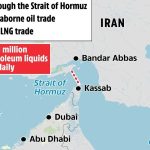
Iranian state media, IRIB, reported that Iranian forces fired on four ships they said were trying to cross the Strait of Hormuz without permission. This strategic route was previously blockaded by Iran since the beginning of the conflict.
On the other hand, the United States military claims to have succeeded in intercepting five attack drones around the Strait of Hormuz and thwarting the launch of another drone from the Bandar Abbas area, southern Iran.
The attack on Bandar Abbas then sparked an Iranian response which claimed to have targeted a United States air base in retaliation for the attack. Kuwait, where US troops are stationed, said its air defense system was activated to respond to missile and drone attacks.
Kuwait’s Foreign Ministry condemned Iran’s actions as a “dangerous escalation” that threatens regional stability.
The United States Central Command (CENTCOM) called Iran’s attack a serious violation of the ceasefire. However, the spokesperson for the Iranian Foreign Ministry, Esmaeil Baqaei, accused the US attack of violating the peace agreement.
“Iran will take all necessary steps to defend national sovereignty,” Baqaei said.
A US official said Washington’s military actions were measured and aimed at maintaining the stability of the ceasefire so that the conflict did not escalate again.
The tensions are also impacting global energy markets. World oil prices soared again after reports of attacks in the Strait of Hormuz sparked concerns about disruption to international oil and gas distribution.
United States President Donald Trump emphasized that the Strait of Hormuz must remain open to international shipping. This statement was made in response to the proposed arrangement of joint shipping routes between Oman and Iran.
“The strait must be open to all parties because it is international waters,” Trump said.
Meanwhile, Oman, which has been a mediator in talks between the US and Iran, also criticized the threat which it considered could worsen the diplomatic situation in the region.
In Lebanon, the conflict between Israel and Hezbollah is also heating up. The Israeli military confirmed it had carried out an air strike in an area south of Beirut, while Lebanese authorities said the strike hit an apartment in a residential area.
Israel has also stepped up military operations in southern Lebanon, including around the cities of Tyre and Nabatieh, which had previously been designated as combat zones.
Lebanon’s Health Ministry reported at least 14 people were killed in the latest attacks, including children and a soldier. Since the war broke out, the death toll in Lebanon has reportedly reached more than 3,200 people.
The Israeli military also said a soldier was killed in a Hezbollah drone attack near the Lebanese border.
Iran insists that any peace deal to end the Middle East conflict must include a halt to attacks in Lebanon.***