News Screen – The United States and Iran announced that they had reached an agreement to end the conflict which over the past few months has fueled tensions in the Middle East region and disrupted the stability of the world energy market.
One of the initial impacts of the agreement is the resumption of shipping activities in the Strait of Hormuz, a strategic route that is one of the arteries of global oil trade.
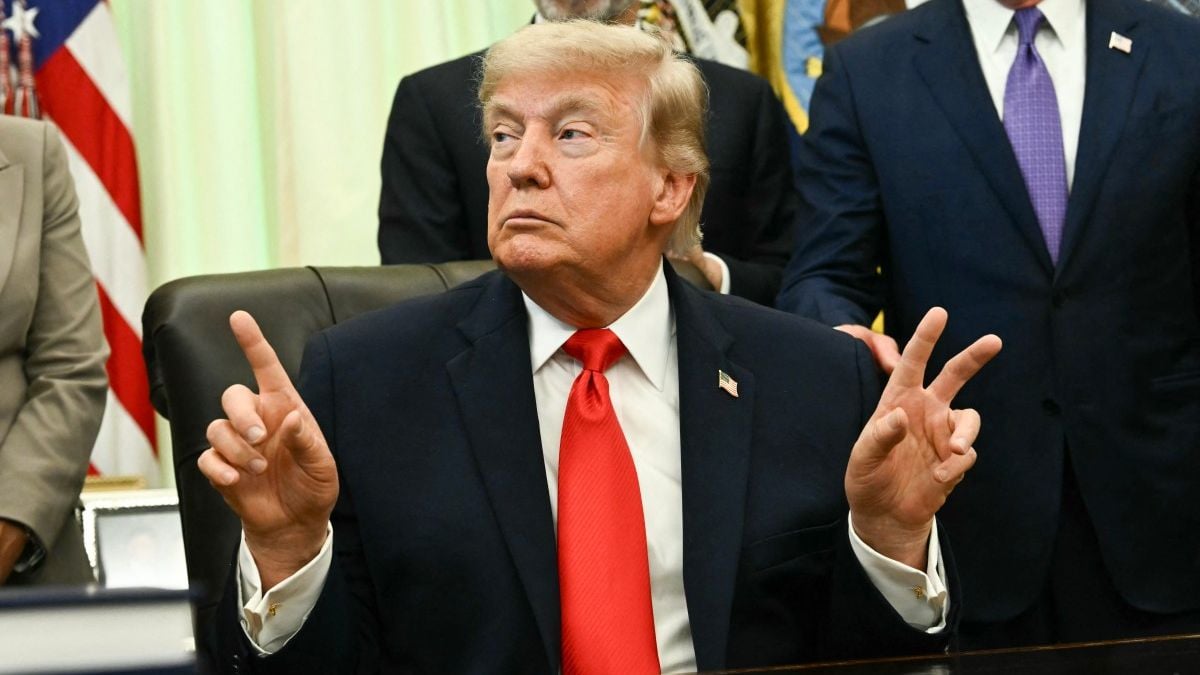
United States President Donald Trump stated that the Strait of Hormuz is expected to return to full operations next Friday. According to him, a number of ships carrying oil have started to traverse this shipping route after previously being affected by restrictions due to the conflict.
Also Read: US-Iran Agreement Claimed to be Signed Soon, Trump Says the Strait of Hormuz Will Be Opened Again
This development received a positive response from the global market. Stock indices on a number of international exchanges strengthened, while crude oil prices decreased as optimism increased regarding the stability of world energy supplies.
Iranian media also reported that several oil tankers and cargo ships had returned to areas previously affected by restrictions on shipping activities.
Based on information submitted by the parties, the peace agreement document is scheduled to be officially signed in Switzerland on Friday. The United States government said the initial approval process had been carried out electronically by the leaders involved in the negotiations.
Iran’s Deputy Foreign Minister, Kazem Gharibabadi, stated that the agreement was the first step towards ending the conflict and would be followed by discussions on a more comprehensive agreement in the next few months.
Although welcoming these developments, a number of Iranian officials continued to emphasize the importance of implementing the agreed commitments. Iranian Foreign Minister Abbas Araghchi warned that past experience means his country will carefully monitor the implementation of each point in the agreement.
One issue that is still the focus of discussion is Iran’s nuclear program. The two countries are said to be still negotiating on various technical aspects, including international monitoring mechanisms for nuclear activities and the management of enriched uranium reserves.
In addition, the Iranian government stated that it would seek ratification of a follow-up agreement through the United Nations (UN) Security Council to strengthen the international legitimacy of the results of the negotiations.
On the other hand, the security situation in the region is still a concern. The Iranian government has asked the United States to help ensure the end of the conflict involving Israel and Lebanon in accordance with the spirit of the agreement that has been reached.
Israeli Prime Minister Benjamin Netanyahu emphasized that his country’s military operations in a number of areas will continue in accordance with national security considerations.
This statement elicited various responses from a number of hopeful parties The US-Iran agreement could be an entry point for easing tensions in the wider Middle East region.
Meanwhile, Lebanese President Joseph Aoun welcomed the achievement of the agreement and hoped that the diplomatic steps taken could help reduce the escalation of the conflict and create more sustainable stability in the region.
The agreement between Washington and Tehran is considered to be one of the most significant diplomatic developments this year. Apart from having the potential to reduce geopolitical tensions, the reopening of the Strait of Hormuz is also expected to support the smooth running of world energy trade and provide certainty for global markets.***