KABARMEGAPOLITAN.com – “Even though the US and Iran have agreed to a peace agreement, its prospects in the Middle East are still doubtful, because Israel continues to carry out military attacks on Lebanon. This agreement gives a new glimmer of hope for the creation of peace and stability in the Middle East. But don’t expect too much peace to come true soon. The US-Iran MOU could be hampered by Israel’s acts of aggression towards Lebanon.”
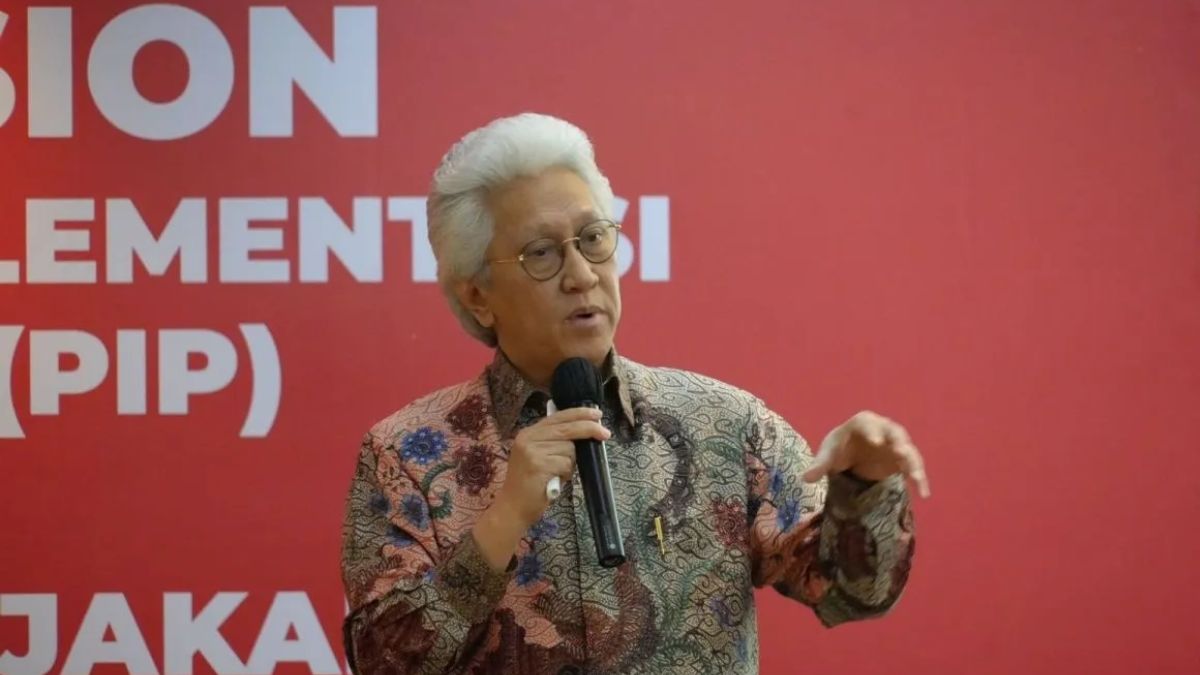
This was conveyed by Dr. Darmansjah Djumala, BPIP Expert Council for Foreign Relations Strategy, in his written statement responded to the signing of the US-Iran MOU which was carried out digitally on June 17.
In his statement, Dr. Djumala, who once served as the Indonesian Ambassador to Austria and the UN, stated that after years of being trapped in a cycle of confrontation, sanctions and military threats, the two countries finally showed a willingness to take the diplomatic route as an instrument for resolving the conflict.
For Ambassador Djumala, the MOU has strategic meaning.
First, the agreement can reduce tensions between Washington and Tehran, which have been one of the main sources of regional instability.
Also read: Commemoration of World Giraffe Day 21 June, GCF: The number of giraffes in Africa has decreased drastically
Second, the successful implementation of the MOU will strengthen diplomacy and negotiation as the main mechanisms for resolving international disputes.
Third, the creation of a more constructive relationship between the US and Iran has the potential to promote political stability and security in the Gulf region and the Middle East more broadly.
Furthermore, Ambassador Djumala, who is also an international relations academic at FISIP Unpad, expressed that US-Iran peace optimism is now facing a serious test.
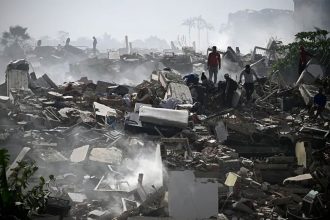
Israel’s military attack in South Lebanon occurred again just two days after the agreement was agreed. Ambassador Djumala said, for Iran, Israel’s aggression is not only a threat to its allies in the region, but also an effort to maintain confrontation politics and hinder the process of normalizing Tehran-Washington relations.
An escalation in South Lebanon could trigger a chain reaction. Iran will likely face domestic and regional pressure to increase its support for proxy groups in the region.
Also read: World Humanist Day is celebrated on June 21, what is it? This is the history and purpose of this warning
At the same time, the United States as Israel’s main ally will be in a difficult position: on the one hand it wants to maintain its commitment to the MOU with Iran, but on the other hand it must maintain strategic support for Israel.
The success of the US-Iran MOU depends critically on the ability of both parties to align de-escalation in the Strait of Hormus with a halt to Israeli aggression in Lebanon.
In Ambassador Djumala’s view, Washington also needs to play a more active role in restraining Israeli military escalation so as not to damage the ongoing diplomatic process.
“Peace in the Middle East cannot be built solely through bilateral agreements. Peace requires a conducive regional environment, controlling escalation, and a commitment from all parties to prioritize diplomacy over the use of military force. Without such political awareness, the US-Iran agreement will be in vain amidst the vortex of protracted conflict in the Middle East,” concluded Ambassador Djumala in a release.***