Of the total 51,156,787 BPJS Health participants in West Java, as of June 1, 2026, the number of active participants reached 38,733,440 people. In 2025, BPJS Health contributions in West Java amounted to Rp24.3 trillion, while medical service claims paid reached Rp29.3 trillion.
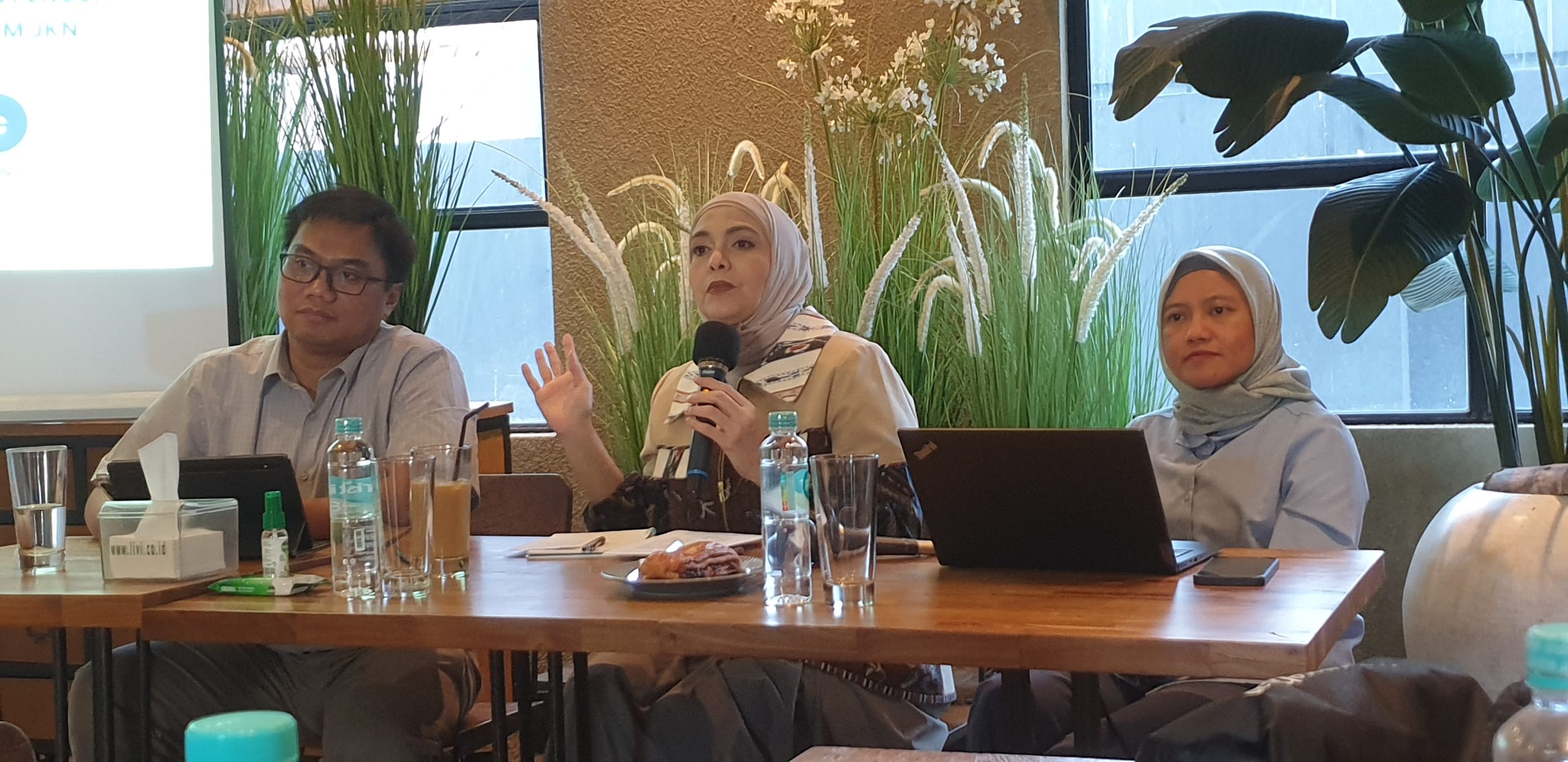
Member of the BPJS Health Supervisory Board, Lula Kamal, stated that the demand for medical services among West Java residents was also supported by participants from other provinces. However, she emphasized that BPJS Health was established based on the principle of mutual cooperation (gotong royong).
“Why is West Java the largest? Because it has the largest population. Among all provinces in Indonesia, West Java has the highest population. So if we ask whether we should complain about BPJS, the answer is no,” Lula said in Bandung City on Friday, July 10, 2026.
She explained that BPJS Health belongs to the Indonesian people because it does not rely on the government budget. According to her, the community provides mutual subsidies to finance medical services, meaning some regions collect higher contributions than the amount needed for healthcare services.
“For example, I recently visited Tolitoli (Central Sulawesi). The deputy regent there said they were losing money because their contributions reached several billion rupiah, but the amount paid out was not that high. They wanted to withdraw from the program, but we could not allow that because there are regulations governing it,” Lula said.
At the national level, BPJS Health has also experienced a financial shortfall. The BPJS Health financial report showed that healthcare service costs throughout 2025 reached Rp191.33 trillion, exceeding the total contribution revenue collected, which amounted to Rp176.72 trillion.
“Why are we experiencing a deficit? Because our current model still focuses heavily on treatment, and that is actually wrong. We should focus on prevention, prevention, and prevention. Promotion and preventive measures are important. That is why screening programs are now being accelerated, including the Free Health Check (CKG) program,” she said.
Meanwhile, as part of efforts to improve understanding of the National Health Insurance Program (JKN), the BPJS Health Bandung Branch invited 25 business entities in Bandung City. The activity served as a platform to socialize the rights and obligations of business entities in providing health insurance coverage for workers.
Head of the BPJS Health Bandung Branch, Dyah Miryanti, said that business entities play an important role in maintaining the sustainability of the JKN program. This is because the Wage Recipient Worker (PPU) segment contributes significantly to the program.
“Business entities are strategic partners of BPJS Health in realizing comprehensive health protection for workers and their families. Compliance by business entities in paying JKN contributions not only reflects adherence to regulations but also represents a real commitment to the welfare and productivity of workers,” she said.***