Word Direction – May 17 2026, 15:39 IWST

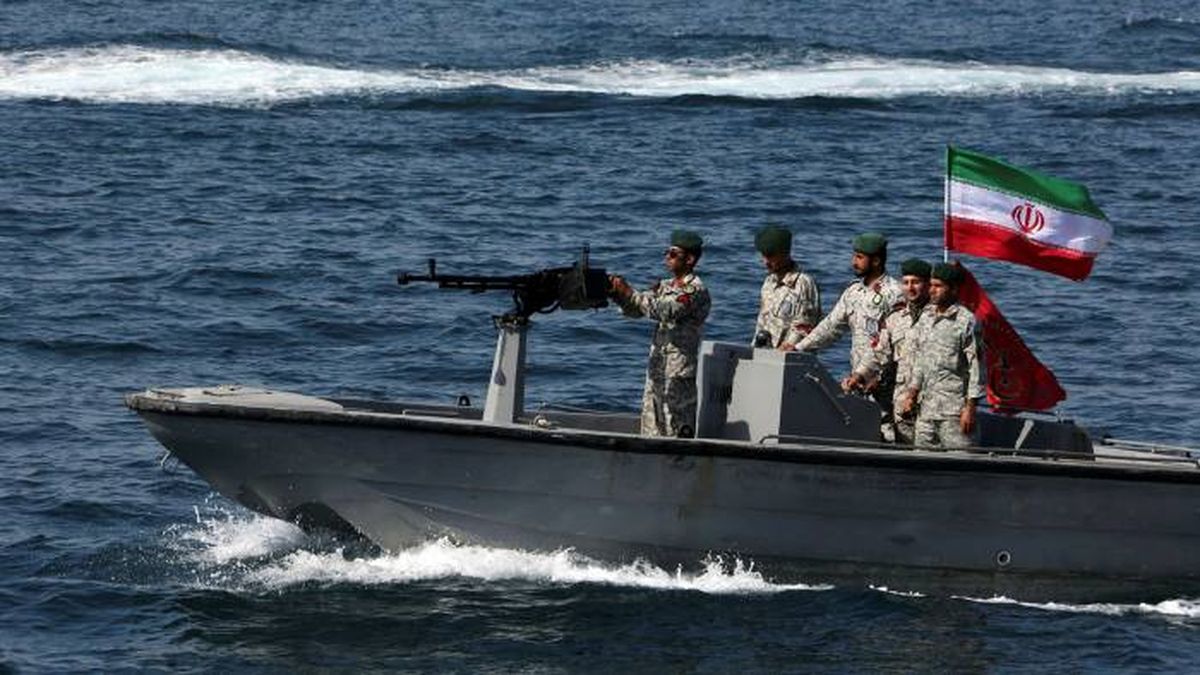
Iranian troops in the Sir Abu Nu’Ayr region in the Persian Gulf. /AFP/Atta Kenare/
DIRECTIONS – Iran was able to survive the onslaught of Israel and the United States (US) in two wars, namely in June 2025 and February-April 2026. It even put up resistance and destroyed cities in Israel and military bases in the Middle East.
A lawyer close to the Iranian government, identified only as Nayeb, told Singaporean newspaper The Straits Times that his country had predicted it would be involved in a major war for decades. Therefore, the Iranian government prepared it carefully.
Nayeb believes that thorough preparation made Israel and the US’s predictions wrong in calculating the duration of the war, from initially only a matter of weeks to more than 1 month.
According to Nayeb, Israeli Prime Minister Netanyahu has also been talking about war against Iran for decades. However, Israel will only involve the US in 2025.
Meanwhile Iran had anticipated a potential war against the US invasion of Iraq in 2003 to overthrow Saddam Hussein’s regime.
“Iran has been preparing for this for decades,” said Nayeb, who declined to give his full identity for security reasons.
He explained that Iran spread important infrastructure to various regions to make it difficult for enemies to destroy it.
Power plants, oil refineries and other important infrastructure were not built centrally, but were spread across various regions.
“Ancient civilizations were very patient. Even if they suffered, if they understood they had a worthwhile goal, they would continue their journey despite the suffering,” he said.
The 2-week ceasefire also provides an opportunity for Israel and the US to replenish their dwindling stockpiles of interceptor missiles and check other combat equipment. Iran is also likely working to dig up and repair damaged missile launchers for a possible next war.
The war strategy was built around fortified missile centers. Most are in the mountains, where rocket and ordnance warehouses and assembly plants are located.
Tehran-based geopolitical observer, Ali Ahmadi, said that Iran has often announced missile locations to the public for the last few years. Starting in the mid-2000s, Iran began importing diggers to build metro tunnels as well as hiding places for its nuclear and missile programs.
According to Ahmadi, some missile cities also have factories, giving Iran the ability to regenerate used or destroyed weapons without being detected by enemy satellites.
“This is something that has been part of Iran’s development process for many years,” he said.***