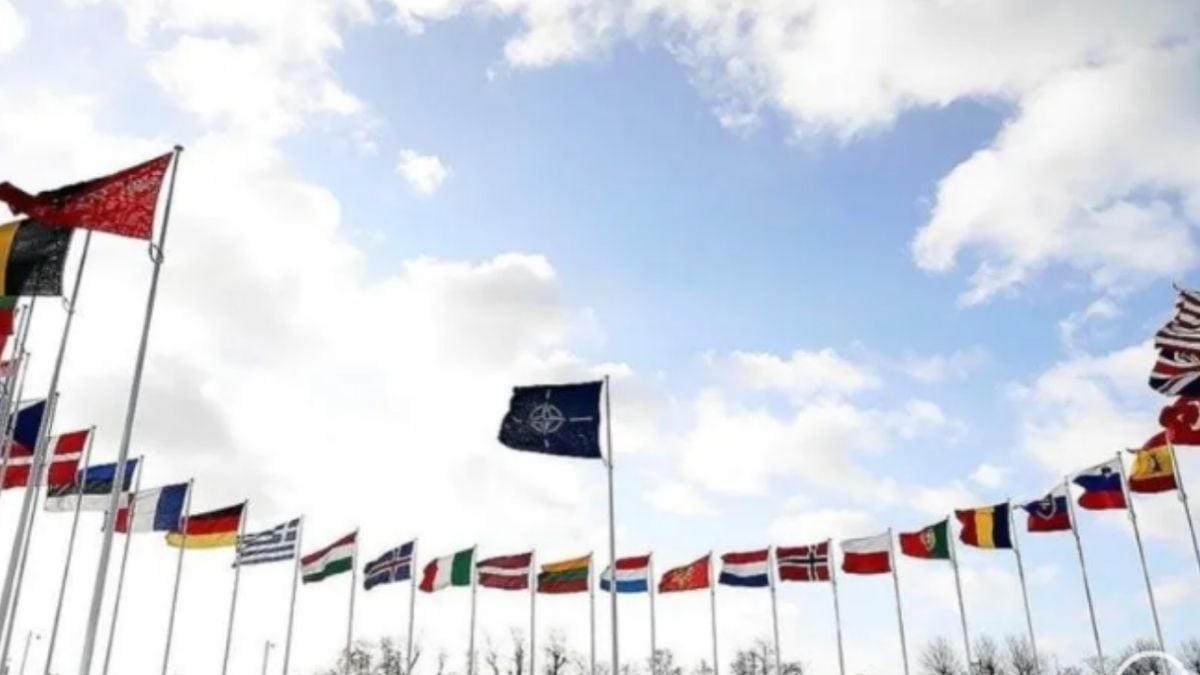
BUTOLPOST For more than 70 years, NATO has existed on a relatively stable division of roles. The United States became the backbone of military power, while European countries provided political and institutional support for the alliance.
However, global geopolitical dynamics are starting to change that balance. The Ukraine war and increasing strategic competition between the United States and China prompted Washington to shift some of its focus to the Indo-Pacific region. In the midst of these changes, Europe is being encouraged to take greater responsibility in maintaining its own regional security.
This change in direction is reflected in various recent NATO policies. At the 2025 NATO Summit in The Hague, member countries agreed to increase defense investment to around five percent of gross domestic product (GDP) by 2035 as a step to strengthen readiness to face future threats.
So far, NATO is still very dependent on the military capabilities of the United States, starting from global power projection, strategic intelligence, transcontinental logistics, to the nuclear umbrella which is the main foundation for the deterrent effect against potential opponent aggression.
Meanwhile, many European countries have for decades enjoyed post-Cold War stability by prioritizing economic development and social welfare. However, increasing security tensions in the region have made defense return to the top of the agenda.
In addition to strengthening conventional military capabilities, NATO is now also paying great attention to missile defense, cyber security and space capabilities. This step shows that modern threats are no longer limited to traditional armed conflicts, but also include digital attacks and increasingly complex strategic technologies.
Butolpost.com | International Geopolitics