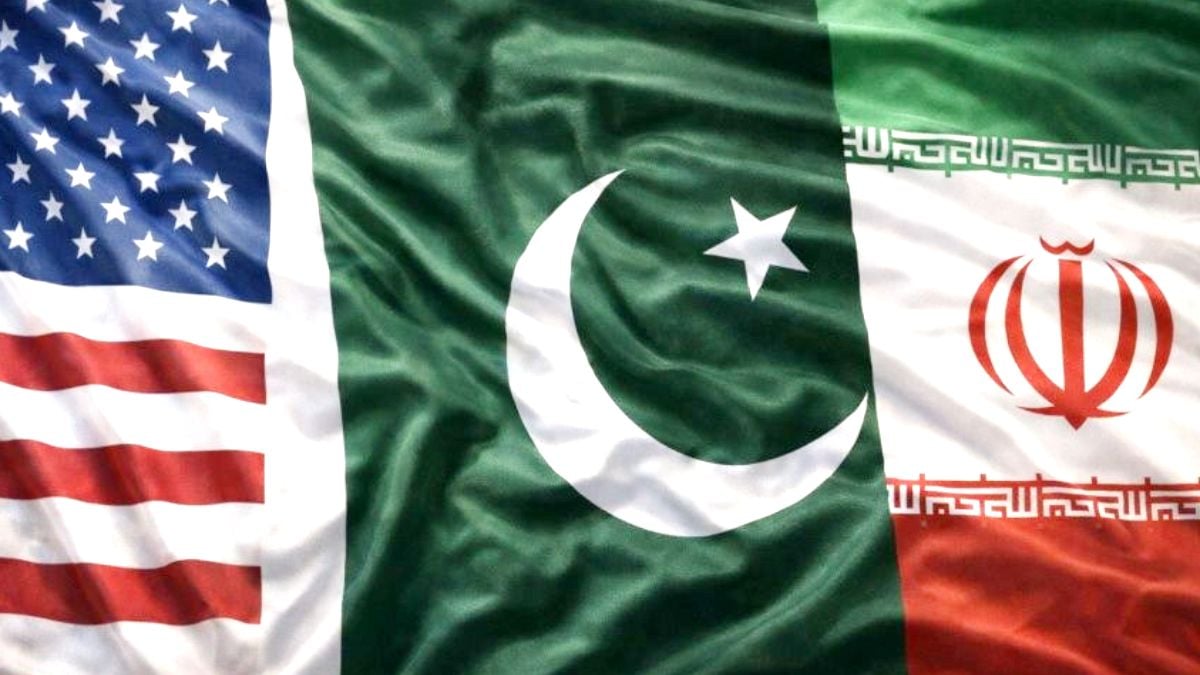
Cianjurpedia.com – The United States and Iran officially agreed to a two-week ceasefire that took effect this week. This agreement marks a crucial step in the de-escalation of conflict in the Middle East, with the reopening of the Strait of Hormuz as one of the main points of agreement.
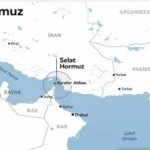
US President Donald Trump announced the military pause on Tuesday, April 7, 2026, (local time). As part of the deal, Iran committed to reopening the Strait of Hormuz, a vital maritime route through which one-fifth of the world’s oil supplies pass, which had previously been disrupted by conflict.
Follow-up negotiations to finalize a permanent peace deal are scheduled to begin next Friday in Islamabad, Pakistan.
Also Read: Iran Threatens to Target US Technology Companies in the Middle East, Employees Asked to Evacuate
World Response: Hope and Warning
This diplomatic step sparked a wave of support from various world leaders, although several parties expressed critical notes regarding long-term stability.
- Iraq and Egypt: As a geographically directly affected country, Iraq urges both sides to fully commit to dialogue to avoid further cycles of violence. Meanwhile, Egypt emphasized that this momentum must be used to respect international freedom of navigation.
- Indonesia: Spokesperson for the Indonesian Ministry of Foreign Affairs, Yvonne Mewengkang, welcomed this agreement and asked both countries to respect sovereignty and territorial integrity. Indonesia also specifically urged a thorough investigation into the deaths of three Indonesian UN peacekeepers in Lebanon last March.
- German: Chancellor Friedrich Merz praised the success of this mediation and expressed special appreciation to Pakistan. He emphasized that diplomacy was the only way to end the war permanently.
The exception is Lebanon
Amid global optimism, Israeli Prime Minister Benjamin Netanyahu affirmed his support for Trump’s efforts to neutralize Iran’s nuclear and missile threats. Nah…